Your First Gun in Florida?
What Every New Gun Owner Needs to Know
A beginner-friendly guide to purchasing, carrying, handling, and storing firearms in Florida.
Buying your first firearm can raise a lot of questions.
- What can you buy?
- When can you take it home?
- Where can you carry it?
- How do you keep it secure?
This guide explains the essentials in plain English, with special attention to Miami-Dade County.
Buying Your First Firearm in Florida
Florida generally prohibits licensed firearm dealers from selling firearms to people under 21, with limited statutory exceptions. Purchases from federally licensed dealers require federal paperwork and a background check. Certain convictions, court orders, and other legal conditions can disqualify a person from possessing a firearm. Purchasing a firearm, possessing one, and carrying one in public are separate legal questions.
Waiting Periods: Florida vs. Miami-Dade County
Florida generally requires at least three days between a covered retail firearm purchase and delivery, excluding weekends and legal holidays, or completion of the required background check, whichever is later. Miami-Dade County has an additional five-full-day waiting period, excluding weekends and legal holidays, for covered sales on property accessible to the public. For Miami International Arms customers without an applicable exemption, plan for the Miami-Dade requirement. A completed background check does not waive the waiting period. Qualifying Florida concealed weapon license holders are among those exempt; being eligible to carry without a permit does not, by itself, provide that exemption. Confirm the applicable waiting period and pickup date with the dealer before making plans.
Concealed Carry in Florida
Since July 1, 2023, qualifying individuals have been allowed to carry concealed firearms in Florida without first obtaining a concealed weapon license. Permitless carry is not unrestricted carry: eligibility rules and location restrictions still apply. A Florida concealed weapon license can remain useful for interstate reciprocity where recognized and certain Florida purchase-related exemptions. Always check the laws of any other state before traveling with a firearm.
Open Carry: Understand the 2025 Court Decision
Florida historically prohibited open carry except in limited circumstances. In September 2025, the First District Court of Appeal held the general prohibition unconstitutional in McDaniels v. State, and Florida's Attorney General issued guidance about enforcement. The statute's printed wording and the effect of the court decision may not appear identical. Other restrictions on who may possess a firearm, where it may be carried, and threatening or unsafe conduct remain important. Consult current official guidance before relying on open carry.
Handguns, Rifles, and Shotguns
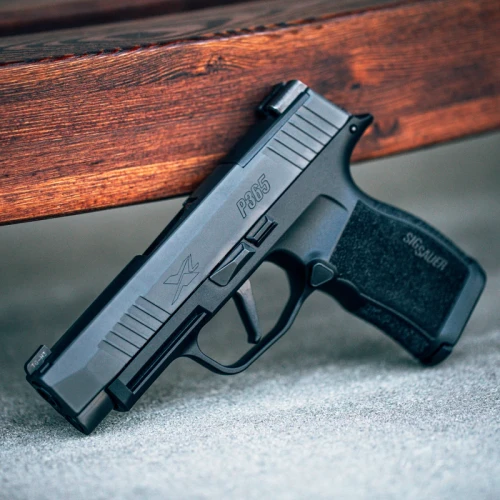
A handgun is generally designed to be held and fired with one hand, while rifles and shotguns are shoulder-fired long guns. Different laws can apply to purchase, possession, transport, and carrying. Florida does not generally require state registration of ordinary firearms; certain federally regulated firearms and devices have separate requirements. Always verify that the firearm and ammunition markings match.
The Four Universal Rules of Firearm Safety
- Treat every firearm as if it is loaded. Personally verify its condition using the manufacturer's instructions, and continue to handle it safely even after checking.
- Never point a firearm at anything you are not willing to destroy. Maintain control of the muzzle at all times.
- Keep your finger off the trigger until you are ready to fire. Keep it outside the trigger guard during handling.
- Know your target and what is beyond it. A projectile can miss or pass through a target and continue traveling.
Secure Storage, Especially Around Children
Prevent unauthorized access. For firearms not in use, a strong general practice is to store them unloaded in a locked safe or lockbox, with ammunition secured separately. Florida Statutes § 790.174 imposes secure-storage duties in specified circumstances involving access by minors. Do not assume a hiding place is secure. Discuss firearm safety with everyone in the household, and follow the manufacturer's storage instructions.
Where You Cannot Carry a Firearm
Florida Statutes § 790.06(12) identifies restricted places, subject to statutory wording and exceptions. These include
- police, sheriff, and highway patrol stations
- detention facilities and jails
- courthouses and courtrooms
- polling places
- certain government meetings
- elementary and secondary school facilities
- career centers
- college and university facilities
- certain school, college, or professional athletic events
- portions of establishments primarily devoted to serving alcoholic beverages for consumption on the premises
- airport passenger terminals and sterile areas (with a specific checked-baggage exception)
- places prohibited by federal law
The statute also lists places of nuisance under § 823.05. A restaurant serving alcohol is not automatically prohibited in its entirety. Consult the Florida Department of Agriculture and Consumer Services' official possession-restrictions page and the statute for the precise rules. Private-property access rules and other laws may also apply.
Firearms in Vehicles
Florida law distinguishes lawful vehicle possession and transport from carrying on one's person. Rules can depend on whether a person is legally authorized to carry and whether the firearm is securely encased or otherwise stored in accordance with law. Secure any firearm against theft and unauthorized access; do not leave it visible or unsecured in an unattended vehicle.
Why Beginners Should Take a Class
A beginner course can teach safe handling, basic firearm operation, loading and unloading, range etiquette, safe storage, and legal responsibilities. Even where training is not required for permitless carry, instruction and supervised practice are valuable ways to build safe habits.
Ready to Take the Next Step? Train With Miami International Arms
Don't just own a firearm. Learn to handle it responsibly. Miami International Arms offers a Concealed Carry Pistol Fundamentals training course for new and developing shooters. Classes are typically held on the last Saturday of each month. Contact Miami International Arms to confirm the next class date, availability, and enrollment details, and reserve your spot.
Final Thoughts
Responsible firearm ownership begins with understanding the law, consistently following safety rules, and securing firearms against unauthorized access. Whether you're considering your first handgun, rifle, or shotgun, Miami International Arms can help explain purchasing procedures, product specifications, and available training. Miami International Arms — Firearms, Education, and Responsible Ownership.
Official Government Sources
- Florida Legislature — Chapter 790
- Florida Senate — § 790.0655 (Waiting Period)
- Florida Department of Agriculture — Possession Restrictions
- Florida Attorney General — 2025 Open Carry Guidance
- Miami-Dade County Code — Chapter 21
Educational information only; not legal advice. Firearm laws, court rulings, and agency guidance can change. Confirm current requirements before purchasing or carrying a firearm.